Cooling System Repairs

Recognising brake problems early is essential for your safety and that of other road users. Common warning signs include squeaking or grinding noises when braking, a soft or spongy brake pedal, a brake warning light on your dashboard, or longer stopping distances than usual.
If you notice any unusual vibration through the steering wheel during braking, a burning smell after heavy braking, or if your vehicle pulls to one side when you apply the brakes, these are urgent indicators that professional inspection is needed immediately. Ignoring these signs can lead to complete brake failure, which is both dangerous and expensive to repair.
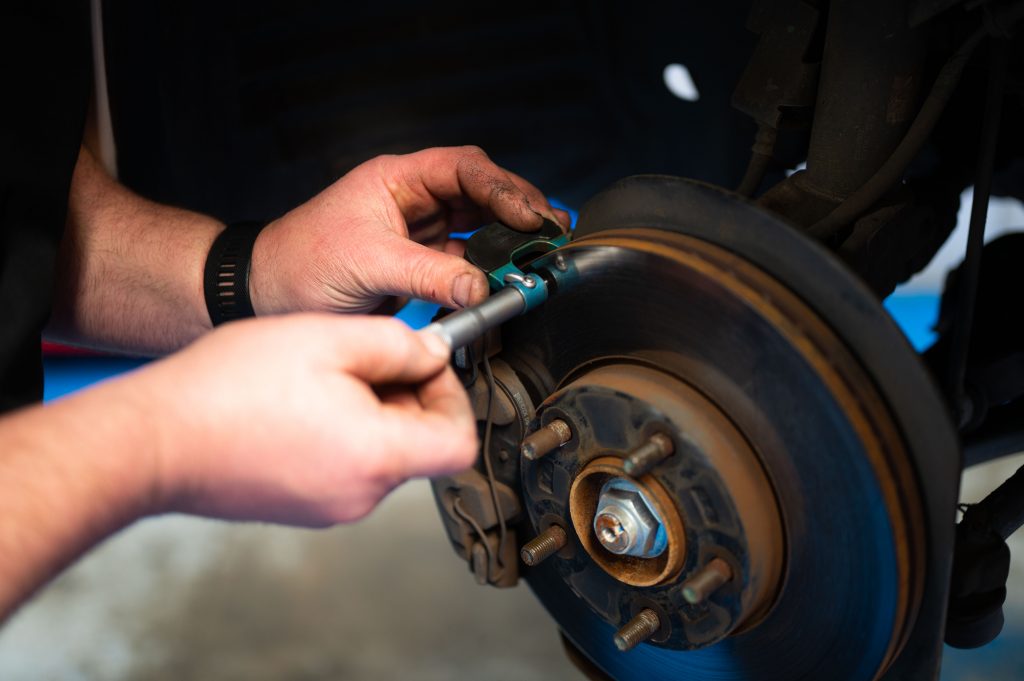
Your vehicle's brake system consists of several interconnected parts working together to stop your car safely. These include brake pads, brake rotors or discs, brake calipers, brake lines, and the master cylinder that controls hydraulic pressure throughout the system. Understanding how these components work helps you appreciate why regular maintenance is vital.
Each component plays a specific role, and when one fails, it can compromise the entire braking system. Brake pads wear gradually with use and must be replaced periodically, while rotors may become damaged or warped if pads are left too long. Professional mechanics can assess all these components during a comprehensive brake inspection and recommend the most cost-effective repairs.
Professional brake repairs should always be performed by qualified technicians who understand the complexities of modern braking systems. A comprehensive brake service typically includes inspection of all components, replacement of worn pads and rotors, bleeding of brake fluid to remove air and moisture, and testing to ensure the system functions correctly.
When you bring your vehicle to a trusted local mechanic in the south-eastern suburbs, they can perform diagnostic testing to identify issues that aren't immediately obvious. This might include checking brake fluid condition, inspecting brake lines for leaks, testing the anti-lock braking system (ABS), and ensuring all components meet Australian road safety standards. Quality repairs now prevent costly emergency repairs later.
Regular maintenance significantly extends the life of your brake components and keeps your vehicle safer. This includes monitoring your brake fluid level and condition, as old or contaminated brake fluid reduces braking effectiveness. You should also avoid riding your brakes on long downhill stretches, which generates excessive heat and accelerates wear.
Gentle driving habits and regular professional inspections as part of your logbook servicing schedule help catch brake issues before they become serious. During fleet servicing, commercial vehicle operators should ensure all vehicles receive consistent brake maintenance to maintain safety standards across their operations. A professional diagnostic check can identify problems early, saving money on major repairs and keeping your vehicle roadworthy.


 Trustindex verifies that the original source of the review is Google.
 Trustindex verifies that the original source of the review is Google.
 Trustindex verifies that the original source of the review is Google.
 Trustindex verifies that the original source of the review is Google.
 Trustindex verifies that the original source of the review is Google.
 Trustindex verifies that the original source of the review is Google.
 Trustindex verifies that the original source of the review is Google.
 Trustindex verifies that the original source of the review is Google.

Designed & Developed by CJ Digital